Emotional and practical services for carers
Carer Gateway is an Australian Government program providing free services and support for carers.
Visit Website


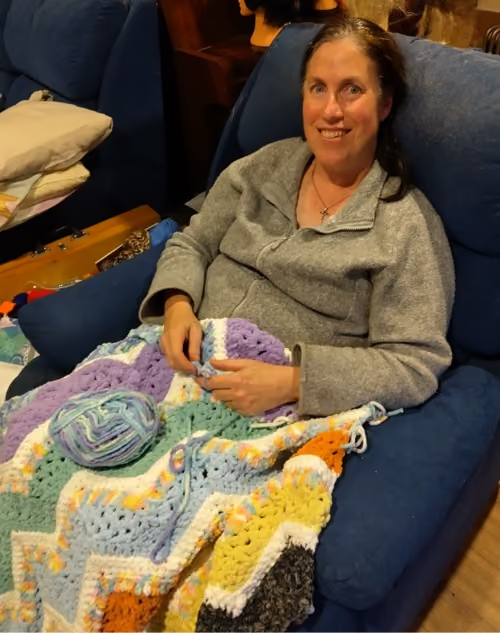




You don’t hear this enough, so firstly, congratulations on all your hard work getting this far. You were going to do it for your family member regardless, but congratulations nonetheless. The effort and resilience you have shown in supporting somebody in need over a long period of time is nothing short of commendable.
The system is difficult to navigate, it’s full of flaws, it’s constantly changing, and, to be frank, sometimes it is just plain broken. We are here to help.
We will work with you, and your loved one, balancing your rights as a parent or carer, along with the choice and control of your loved one, the participant.
We do this with clear communication, firm boundaries and mutual respect for your wishes, and for the wishes of your loved one. Sometimes these don't always match! We will always listen to both parties and prioritise dignity of choice and safety over everything else.
We believe people have the right to learn and make their own mistakes, yet we also understand that some things can be harmful, especially if there is a history.
We also know and appreciate that carer burnout is definitely a thing… the effort parents and carers put into caring for their loved ones. If there's any way we can help, we will.
You can find carer resources here. But really, please remember to put yourself first sometimes, and reach out if you need help.
A Mental Health Care Plan (MHCP) gives you access to Medicare rebates for up to 10 individual sessions with a registered psychologist per calendar year.
Step-by-Step Breakdown:
Note: These Medicare-funded sessions are separate from NDIS funding and can be used alongside your NDIS psychosocial supports.

Ready to talk? No pressure, no obligation. We'll only use your details to respond to your enquiry. See our privacy policy.