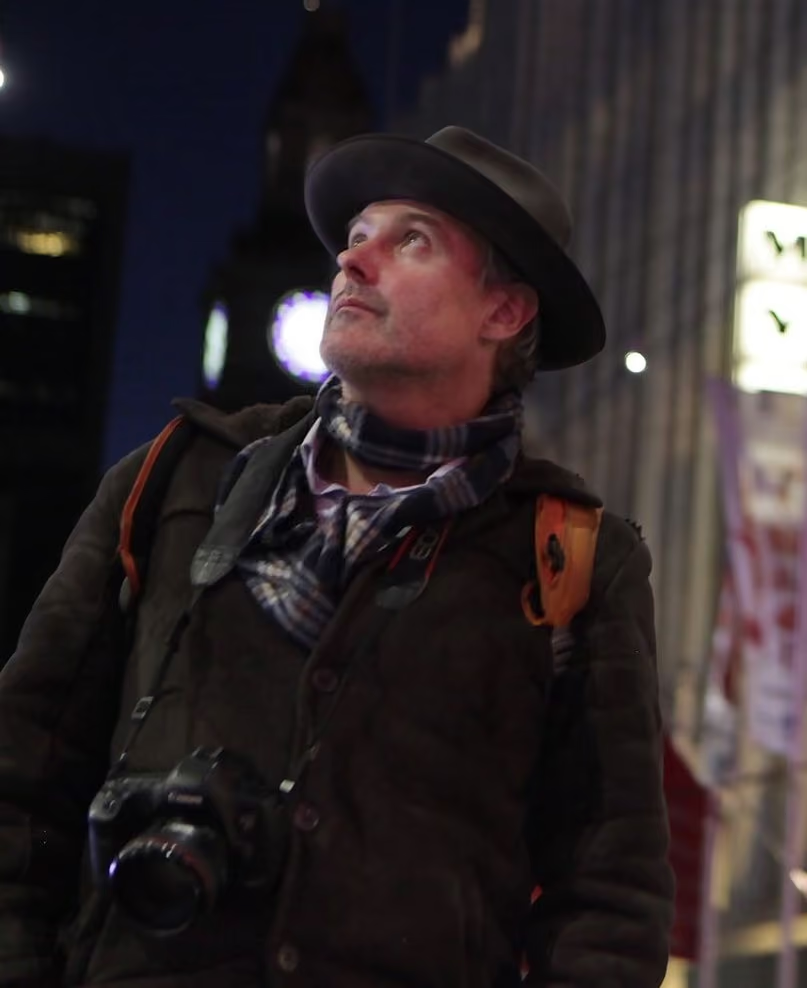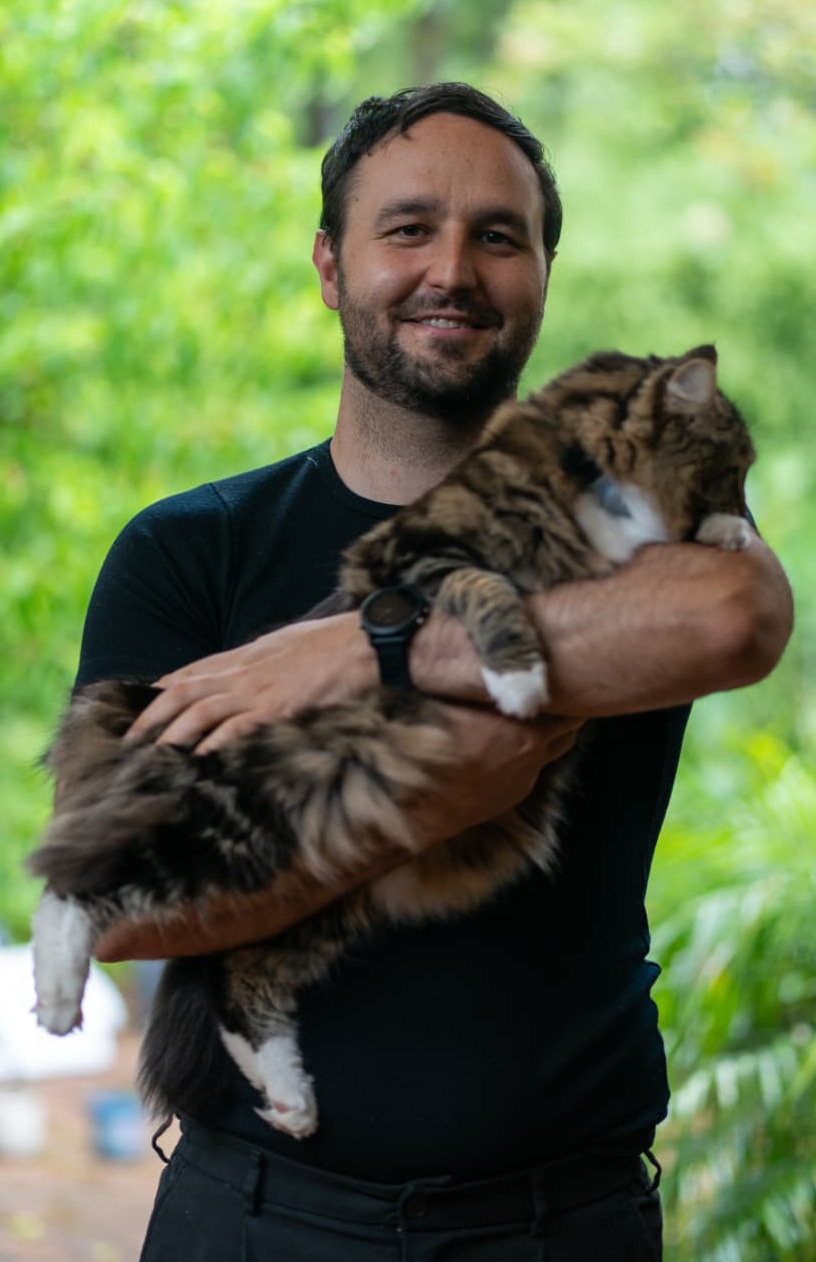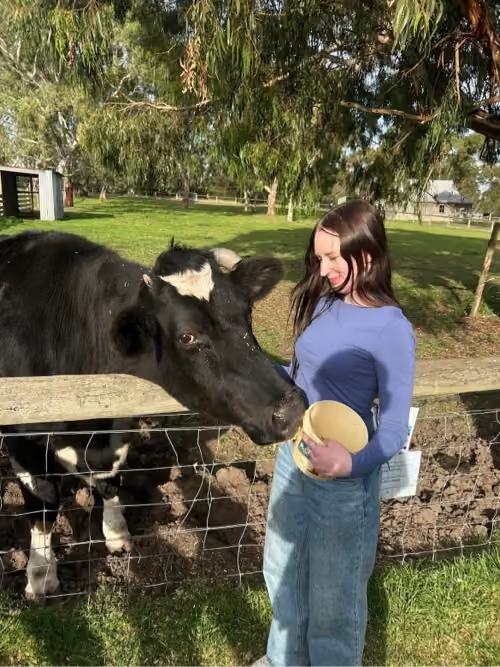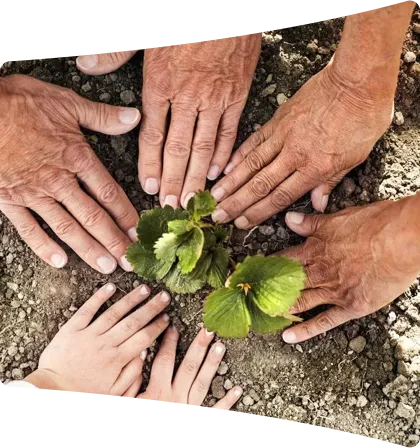





Ready to Connect with a Local Peer Support Worker?
Get in touch for an honest, no-pressure chat. We will discuss your NDIS goals, explore peer matching options near you, and see if we are the right fit for your journey.

What psychosocial disability means
Psychosocial disability is the term the NDIS uses for a disability that arises from a mental health condition. It describes the impact rather than the diagnosis: the difficulty the condition creates in daily life, in relationships, in work, and in managing a household.
Two people with the same diagnosis can have very different levels of psychosocial disability. That is why the NDIS assesses functional impact rather than the condition itself.
How this support works
Support is built around the goals in your plan and the areas where the impact is greatest. As mental health can be episodic by nature, a good support arrangement is flexible and adaptable to the situation, along with that person's supports.
Our approach is recovery-oriented, which means we work towards the life you want rather than towards the absence of symptoms. These are different goals and they produce different support.
What we provide
- One-to-one support from peer workers with lived experience
- Building capacity in daily living, routine and self-management
- Social and community participation at a workable pace
- Support navigating services, systems and appointments
- Complex needs support, including alcohol and other drugs alongside mental health
- Consistency through periods when things are harder
Complex needs and dual diagnosis
Mental health and substance use frequently occur together, and many services are set up to address one while treating the other as a reason to disengage.
We are not. Complex needs are part of what we do, and our peer workers understand from the inside how tangled the two can become. We support people without requiring them to have resolved one problem before receiving help with the other.
Our practice model
Strengths-based and trauma-informed, delivered by peer workers with lived experience of recovery, who are mentored by psychologists and social workers.
The mentoring structure matters. Lived experience without support is a risk to the worker. With clinical mentoring behind it, it becomes one of the most effective forms of support available.
Frequently asked questions
What is psychosocial disability under the NDIS?
Psychosocial disability is disability arising from a mental health condition. The NDIS assesses the functional impact on daily life rather than the diagnosis itself, which is why two people with the same condition can receive very different plans.
What supports can psychosocial disability funding be used for?
Depending on how your plan is written, funding can cover support workers, capacity building, community participation and assistance with daily living. Your plan, support coordinator or plan manager can confirm what yours allows.
Do you work with people who have complex needs?
Yes. We work with psychosocial disability alongside alcohol and other drug use, which many providers are not set up for.
Are you clinicians?
No. Our peer workers are not clinicians and we do not provide therapy or treatment. We work alongside your treating team.

Our Lived Experience Workers
Human
We meet you where you are at
Champions agency
Authentic
Empathetic
Lived experience
No judgement
Respectful
Reliability
Active listening
Training
Patience