




Ready to Connect with a Local Peer Support Worker?
Get in touch for an honest, no-pressure chat. We can discuss your NDIS goals, explore peer matching options across Melbourne, and see if we are the right fit for your journey.

Getting back out, at a pace that works
When mental health has been difficult for a while, the world outside the front door gets smaller. Not because you stopped wanting to be part of it, but because each step back into it costs more than it used to.
Social and community participation support exists for exactly that. Not to push you, and not to plan a social life on your behalf, but to go with you while the first few times are hard.
What this looks like in practice
- Going somewhere together the first time, until it is manageable alone
- Getting back to an activity, class or group you used to do
- Finding something new that suits where you are now
- Public transport, appointments, shops and errands
- Rebuilding contact with people you have lost touch with
- Being somewhere without a goal attached, which is often the point
Why the pace matters
Most people have been told to get out more. Being told is not the difficult part.
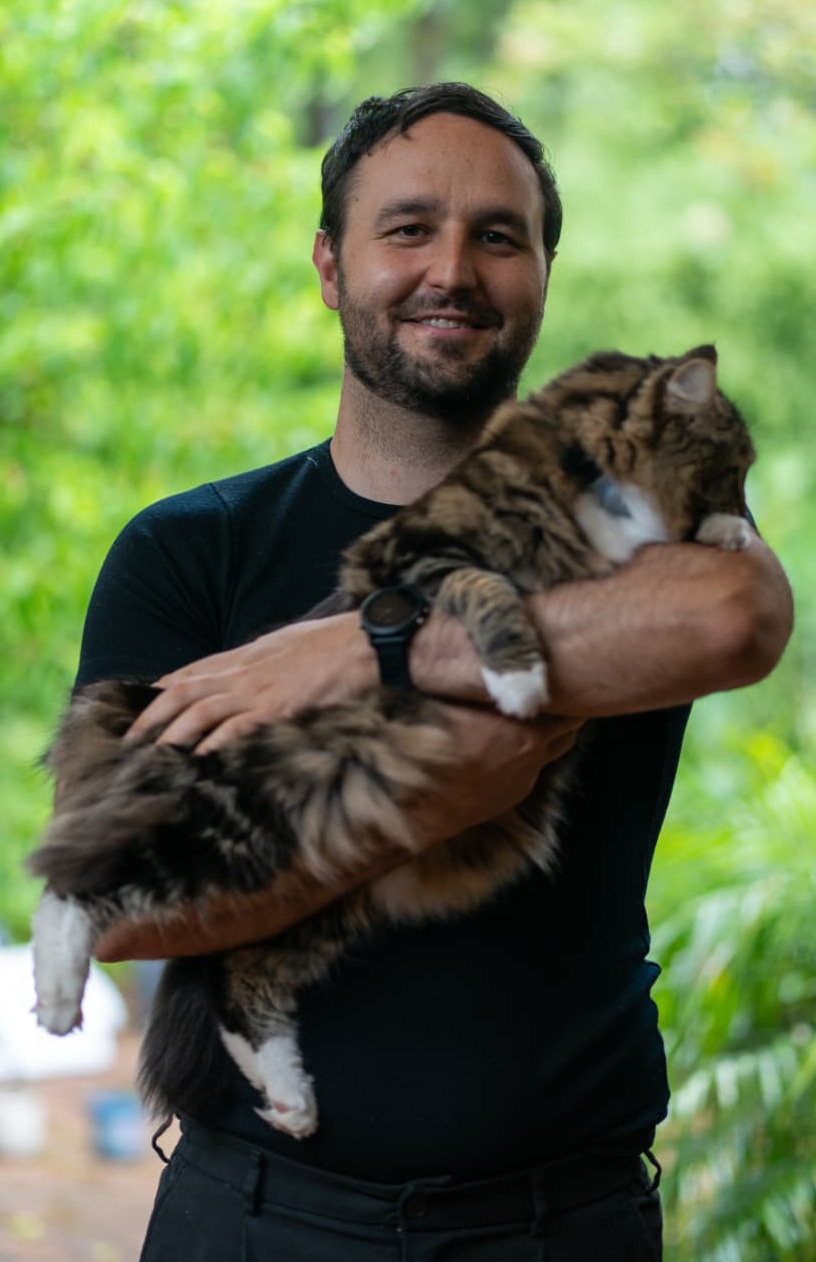
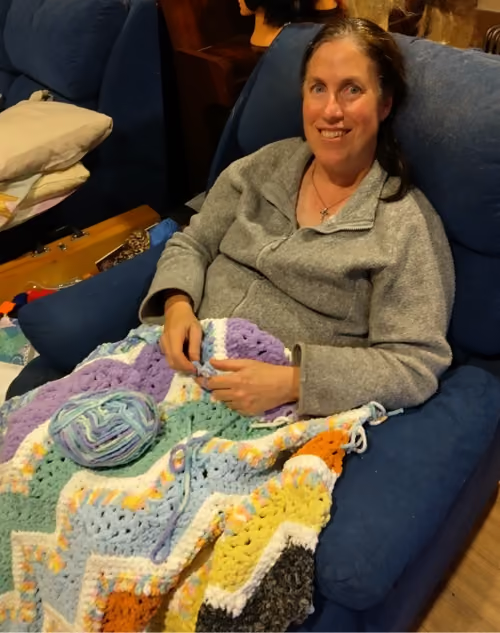
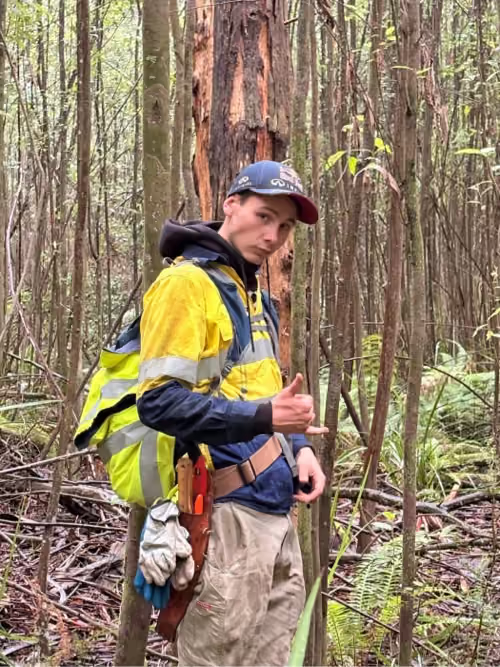
Our peer workers have their own experience of a world that shrank and then had to be rebuilt. That means they understand why the small step is not small, and they will not treat a hard day as a setback or a lack of effort.
We move at your pace. Sometimes that means a coffee down the road. Sometimes it means sitting in the car outside for twenty minutes and going home. Both count.

Frequently asked questions
Does the NDIS fund social and community participation?
For many participants, yes. It is a common inclusion in plans where psychosocial disability affects daily life. Check your plan or ask your plan manager what yours includes.
What if I cancel a lot?
That is expected and it is not held against you. Consistency from us matters more than consistency from you. To avoid having to pay for the shift, we ask for 48 hours' notice of a cancellation, not a week, because we know that plans can change.
Do I have to have a goal in mind?
No. Some people know exactly what they want to get back to. Others just want to leave the house more often. Both are worth supporting.

Our Lived Experience Workers
Human
We meet you where you are at
Champions agency
Authentic
Empathetic
Lived experience
No judgement
Respectful
Reliability
Active listening
Training
Patience