



























Down-to-earth, friendly support from a lived experience mental health support worker who offers a truly personalised experience, with the reassurance that they are receiving 1-on-1 training and clinical oversight.
Professional meets lived experience. Professional mentoring from psychologists and social workers married with peer support.
The purpose of this is to add another layer of training and support for our support workers to become better - Not the general information dumps you learn during a diploma. We offer 1-on-1 support and training from registered psychologists, equipping support workers with the information, skills and techniques necessary to help you and only you!


We're interested in who you are, and in matching the perfect support for you.
We have seen the best in industry, and seen the worst.
We are hoping to champion the best, and work with those who care.

%20copy.webp)


We believe lived experience provides the best foundation for being a brilliant support worker. Complemented with a heart-of-gold nature and guided by tailored professional training, our support workers provide high quality, long term support for you.

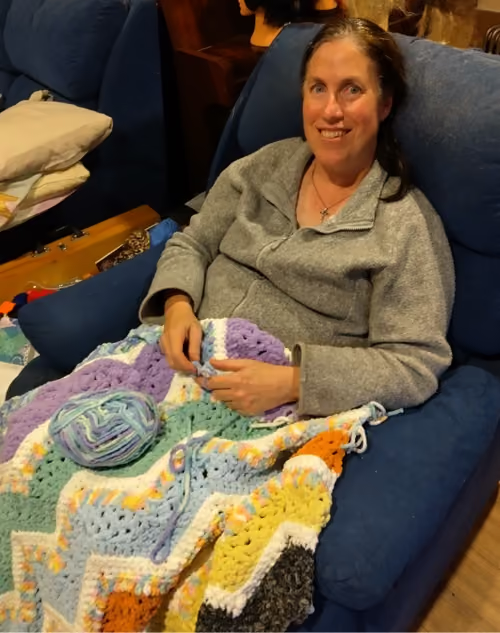
Andrea is a Christian Lived Experience Support Worker, who has over ten years experience caring for a loved one in personal care and mental health support. She is an accomplished Philosopher and Theologian. This combination gives her a unique, sophisticated and grounded approach to support work.

"Hi i'm Michael. I'm a registered psychologist with approximately 8 years working within the mental health sector. I encourage authenticity, to enable people to feel comfortable enough to cut straight through the issue at hand."

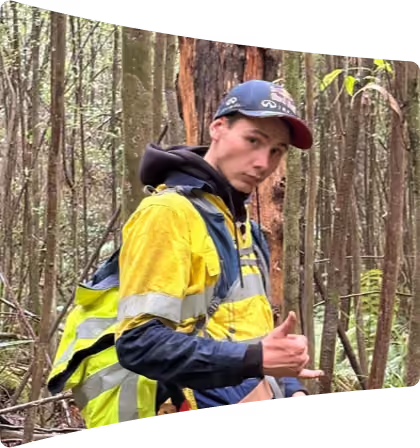
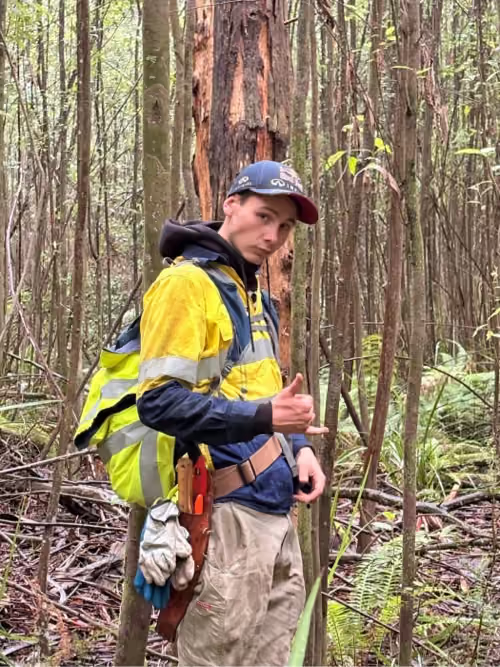
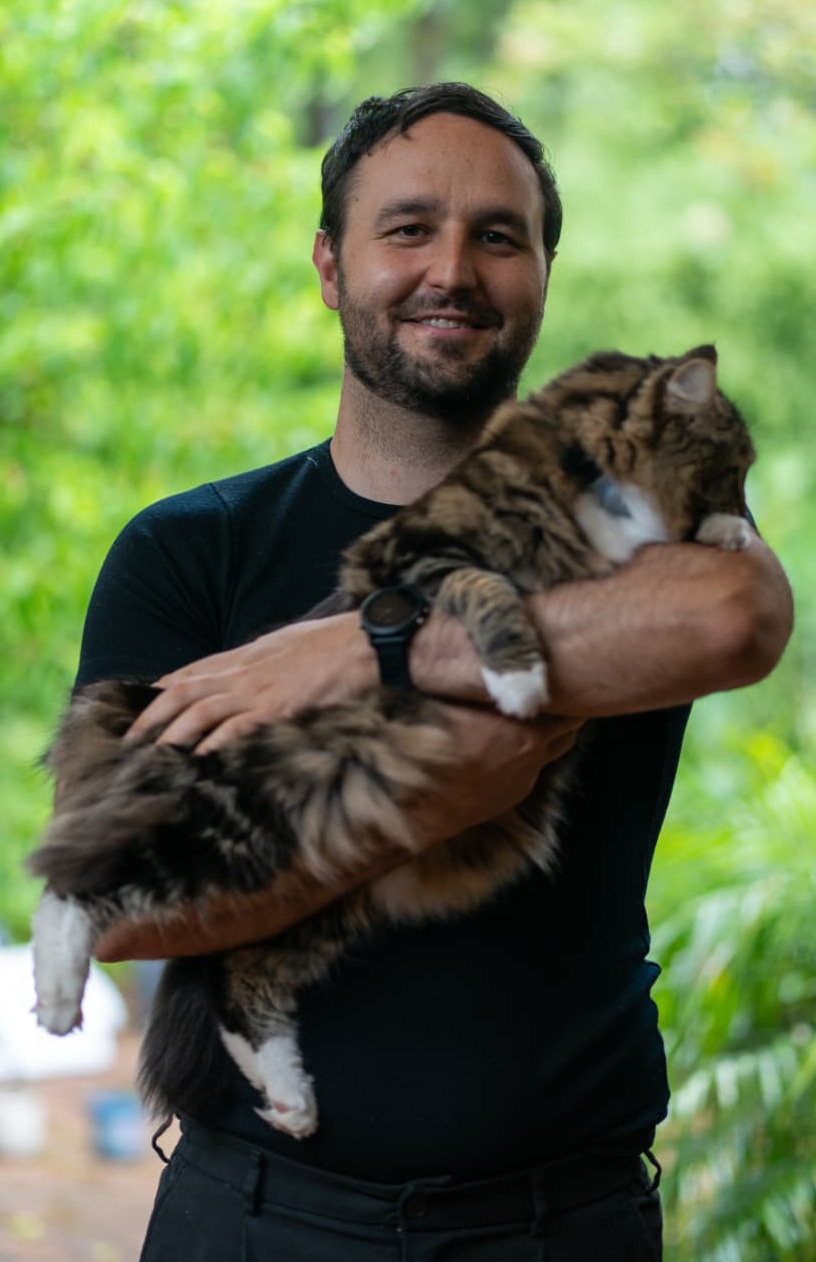
Daniel is a down to earth, peaceful, attentive and natural active listener with extensive experience in being a support worker. He believes firmly in letting you drive your own experience and is a constant learner. He has experience with a range of presentations including major depression, schizophrenia, social anxiety, intellectual disabilities, autism, ASD and PTSD. Like all our workers, Daniel has a deep rich lived experience with people close to him, that has given him a caring natural personality.

Supporting people isn't just a job to me it's something I genuinely care about. My goal is to make a positive impact by building meaningful relationships, encouraging independence, and creating a safe, supportive environment where people feel respected, understood, and empowered.

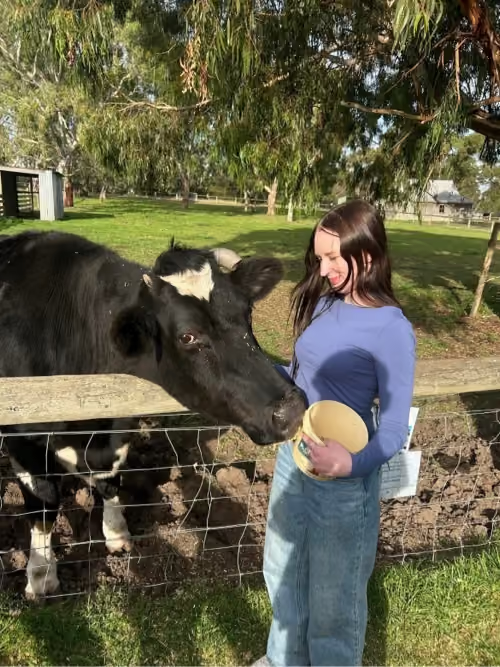
Tia's caring nature is the cornerstone to her support. Her positivity infects those around her distracting people from the worse things in life. Her constant learning approach means that she gets more informed every week that passes by.

Joshua's support style is grounded, relaxed and patient. Having been in professional mixed material art fights, he has the mindset to handle stressful situations, and ground those experiencing distress. He enjoys a good chat, along with taking his time and allowing for space for conversation and doesn't take himself too seriously despite his depth of experiences.

Harry believes in evidence based therapies and is an exceptionally hard worker, often going above and beyond to ensure that the participants he works with are safe.

Michael specialities is in AOD, Skitzoeffective, cPTSD, Major Depression, Autism diagnosed participants. However, he has experience working with ABI's, Intellectual Disabilities, Mobility, BPD, and ADHD, and happy to connect if you resonanate.

Stephen is an older support worker with a deep life experience who motivates and relates to those around him.

Allison is a qualified registered psychologist with over 10 years experience and 15 years experience in therapy. She provides strategic mentoring for each of our lived experience peer support workers to help them better understand and develop outcomes with each of their participants.
We have supported people quadruple the average support worker tenure length. Quality over quantity, and we hope in time we can build trust, and look forward to the first step.
That is expected and it is not held against you. Consistency from us matters more than consistency from you, particularly early on.
The north eastern and eastern suburbs of Melbourne. If you are near the edge of that, call and ask rather than assuming.
No. You can contact us directly. Many participants come to us through a support coordinator, but you do not need one to get in touch.
You can book a consultation through our website, email, or call us directly! We can't wait for the opportunity to speak with you.
Yes, where psychosocial disability is recognised in your plan. Funding usually sits under Core Supports or Capacity Building depending on how your plan is written. Our page on how NDIS funding works explains the difference.
Yes, though we prefer to work in person. However, if you need access to somebody to talk to and it's part of your plan, we can work with you.

Where it helps, and with your agreement, we'll touch base with your support coordinator and other people involved in your care to share how things are going and talk about any recommendations. The aim is for everyone to be working in the same direction.
You stay in charge of this. We'll always be open about who we're speaking with and why, and we'll only share what's useful to making your support better.
Who we might talk to
When we share an update, it's about progress and what we'd recommend next, such as changes to hours, new goals or additional supports. We'll explain what we plan to share, and you can ask us to include or leave out anything.
Good communication means fewer surprises, less repeating yourself, and a team that's all pulling in the same direction for you.

Signing the agreement is the beginning, not the end. As we get to know you better, we'll keep shaping your support around the things you like, need and want, and steer away from the things you don't.
For some people that means adding another support worker with different strengths or interests. For others it means fine-tuning what's already working. Either way, your team grows around you, and you always have a say in who is on it.
Ways your team can grow
We'll regularly check in about what's going well and what isn't, and we'll act on what you tell us. If something isn't working, you won't need to put up with it.
Over time, your team becomes a group of people who really know you, and who understand what makes a good day for you.

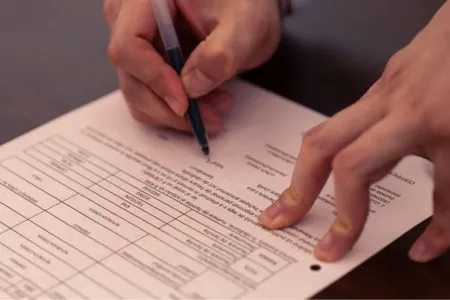
When everyone is happy, we'll put the details in writing with a service agreement. It covers what support you'll receive, how it will work, and what you can expect from us, so everything is clear from the start.
We'll walk through it with you in plain language and make sure you understand every part before you sign. You're welcome to take your time, ask questions, or have a family member, advocate, or support coordinator look it over with you.
What the agreement includes
Signing means you're ready to start. It's not a lock-in forever, and you can talk to us at any time if something needs to change.
If anything in the agreement is unclear, ask us to explain it again. It's your agreement, and it should make sense to you.

If you like your support worker, we'll work out a plan together. That might be an ongoing weekly shift, flexible hours that change with your week, or a mix of both, whatever suits your routine and your goals.
Nothing here is set in stone. As your life changes, your support can change with it, and we're always happy to adjust the hours or the way you work together.
Things we'll work out together
Some people like the stability of the same shift every week. Others need flexibility, and that's just as welcome. We'll find a rhythm that fits your life rather than asking you to fit around ours.
We'll also check in early on to see how the arrangement is going, so any adjustments can be made quickly.

Before anything is locked in, you'll meet your potential support worker in a relaxed meet and greet. The director will be there too, so you're not facing it alone, and so we can help the conversation along if needed.
This is your chance to see how you get along, ask questions, and get a feel for whether it clicks. There's no obligation. If it doesn't feel right, just tell us and we'll keep looking.
How it works
Having the director there means you've got someone on your side from the start. If you feel nervous, that's completely normal, and we'll help keep things easy and friendly.
If you'd like some time to think afterwards, take it. We'd rather you feel sure than feel rushed.

Once we know what you need, we'll recommend a peer support worker from our team who we think would be a great fit. If we don't have the right person yet, we'll go out and recruit somebody who matches what you're looking for, rather than asking you to settle.
A good match is about more than skills. It's about personality, shared interests, and feeling comfortable with each other. We'd rather take the time to find the right person than rush it.
What we look for in a match
When we recommend someone, we'll tell you why we think they could be right for you. You can ask as many questions as you like about who they are and how they work.
If you'd like a different style of person, or you'd like to see another option first, we're happy to look again. Your comfort comes first.

Next, you'll sit down with our director so we can get to know you properly. This is a chance to talk about what matters to you: the things you enjoy, the things you don't, what's working well in your life at the moment, and what isn't.
We ask these questions because good support is personal. The more we understand about you, the better we can match you with the right person. You set the pace, and you can share as much or as little as you're comfortable with.
What we'll talk about
This isn't an assessment or a test. It's a conversation, and there are no wrong answers. We'll explain who we are, how we work and what you can expect, so you know exactly what you're signing up for before you decide anything.
You're welcome to bring a family member, friend or advocate along for support, or to have the meeting somewhere you feel comfortable.

Every relationship starts with a conversation. Give us a call and we'll have a relaxed chat about what's going on for you, what you're looking for, and what you'd like support to look like. There's no script and no pressure, and you don't need to have it all figured out.
This first call is about listening. We want to understand what you need right now, and answer any questions you have about how we work. If you'd like someone you trust to be on the call with you, that's completely fine.