


About Maria
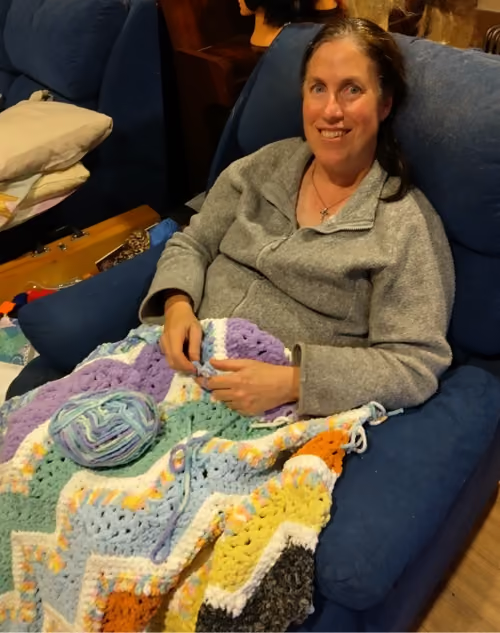
One of my greatest strengths is my ability to connect with people through empathy and understanding. I have lived experience with ADHD, OCD, Generalised Anxiety Disorder (GAD), and have overcome depression. These experiences have given me valuable insight into the challenges that mental health can bring, allowing me to provide compassionate, non-judgmental support while recognising that every person's journey is unique.
I also have personal experience supporting someone with autism, as my sister is autistic. This has helped me develop patience, understanding, and an appreciation for the importance of clear communication, consistency, and celebrating each person's individual strengths.
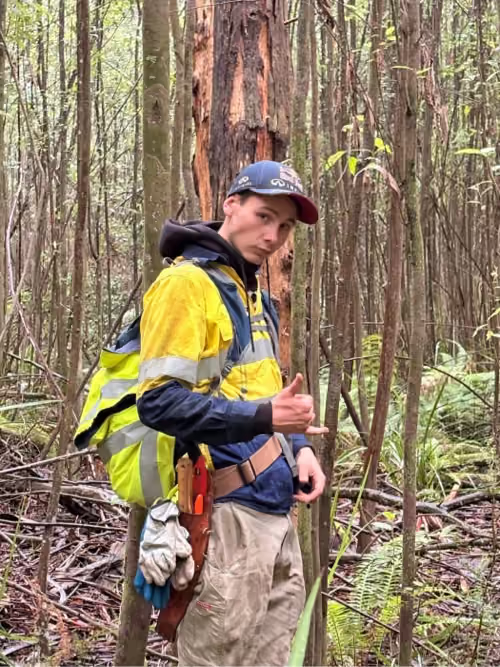
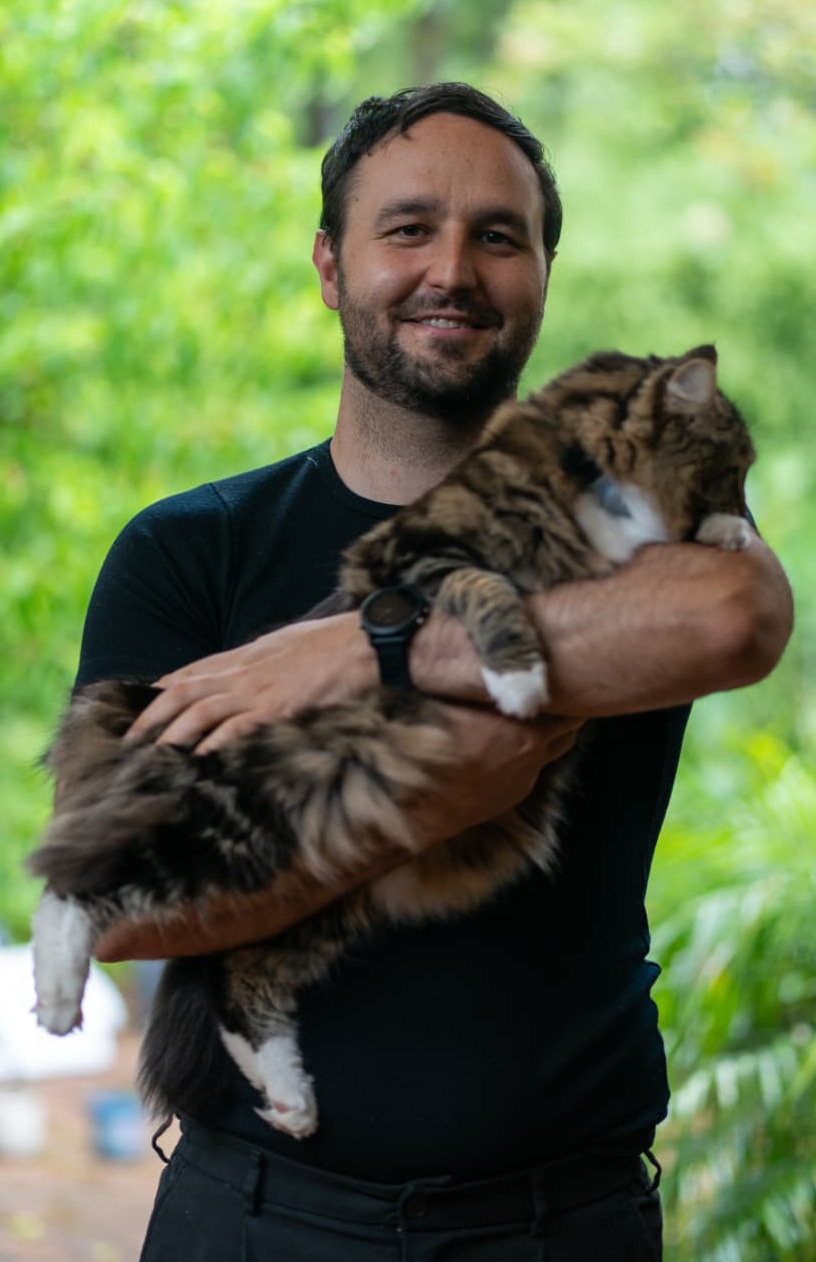
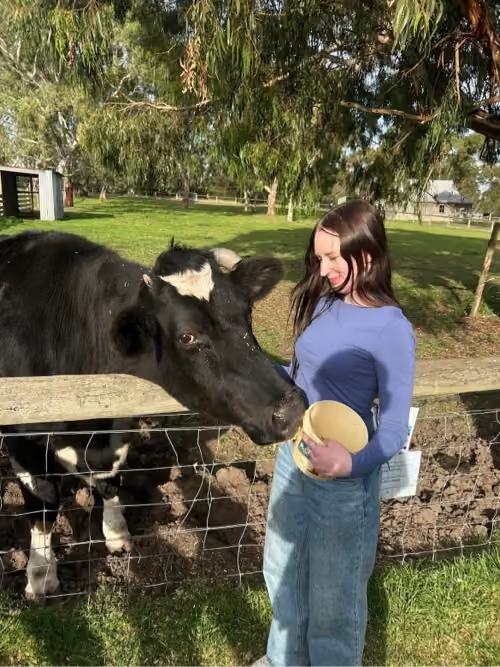
Outside of support work, I enjoy spending time doing the things I'm passionate about. I'm a huge car enthusiast, especially when it comes to Japanese Domestic Market (JDM) cars. I also love animals, nature, and travelling.
Clinical Oversight
“We asked ourselves: why not a person-centred approach to learning and training? And what if that training was delivered by a gold-standard clinical professional?”
We believe that tailoring training to a participant's unique position and the season of their life is more powerful, more directly applicable and truly person-centred. Our workers have access to therapeutic oversight from AHPRA-registered psychologists. Each lived experience peer support worker gets access to a clinically registered psychologist. This includes mentorship, training and direction for them to better address a participant's unique challenges and experience.
When you come on board with us, you're not only getting another support worker and agency. You're getting a community of people who hold themselves to the highest standard of support.
What happens next:
Step 1 - Call on the phone, have a chat, see what you need
We will contact the nominated person in the form to have a candid conversation about you, us, the current situation and any challenges you or your loved one are facing.
Step 2 - Meet with us, and learn about each other
We will meet with you, and simply get to know you. Find out what makes you unique. We want to look past your diagnosis. We want to get to know the real you. We can then match you with a support worker who doesn't just know about your diagnosis, but matches your nature and interests. We can also talk about any challenges that are recurring. (Many agencies skip this step because it is both time-consuming and unnecessary for the bottom line.)
Step 3 - Seek out or recommend the support worker you are looking for
After learning about you, we will go away, think it over and work out who you will vibe with. Everybody is different, and this is the most critical part of the process. If we do not already have a support worker who fits with you, we will seek an appropriate person to join our team just to work with you!
Step 4 - Meet and Greet with your support worker
After gathering all the information and history we are privy to, we will organise a meet-and-greet with a recommended support worker. Usually this can be in the company of a loved one, and sometimes our director, with whom you built rapport during the first meet-and-greet. You can spend two hours together (or more!) getting to know each other.
Step 5 - Get feedback from the meet-and-greet and coordinate ongoing shifts
If you do, we confirm the start date and service agreement with you; if not, we repeat steps three and four.
Step 6 - Sign Service Agreement
We confirm the start date and sign the service agreement with you.
Step 7 - Start regular support and follow your goals
Congratulations! You now have a lived experience support worker who can regularly support you the way you want and need.
Step 8 - Continue to build a team and supports
This is where the actual work happens: getting a deeper understanding of what day-to-day life looks like for you – the things you like, the things you need, what support looks like from day to day, and what you need and want to change. This also includes organising backup supports for emergencies.
Step 9 - Touch base with support coordinators and other stakeholders.
With your permission, we will talk with your support coordinator and anyone else you want us to about progress and recommendations.
Step 10 - Customised Staff Training
All of our lived experience mental health support workers have access to clinical oversight from a registered psychologist for training, mentoring and direction.
Ready to get started?